

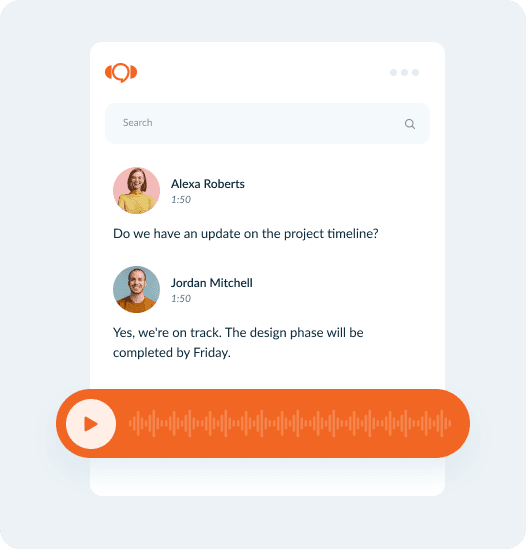
In today's fast-paced business environment, meetings remain a necessary but often inefficient use of time. According to recent studies, professionals spend an average of 31 hours per month in unproductive meetings, with critical information and action items frequently falling through the cracks. Enter AI transcription—a technology that's rapidly transforming how teams conduct, document, and derive value from their meetings.
The Hidden Costs of Traditional Meeting Documentation
Before exploring the benefits of AI transcription, it's worth examining the significant inefficiencies in conventional meeting documentation:
- Divided attention: Note-takers can't fully participate while capturing minutes
- Incomplete records: Human note-taking typically captures only 30-50% of key information
- Inconsistent quality: The value of notes varies widely based on the note-taker
- Time investment: Comprehensive manual documentation can take 2-3x the meeting duration
- Limited searchability: Handwritten or unstructured notes are difficult to reference later
These inefficiencies compound across an organization, creating substantial productivity drains and knowledge gaps.
How AI Transcription Transforms Meeting Dynamics
When teams implement AI transcription solutions like AudioScribe.io, several immediate benefits emerge:
1. Full Participation from All Attendees
With AI handling the documentation, everyone can engage completely in the discussion. This democratizes participation and unlocks the full creative and analytical potential of each team member. No more designated note-takers missing key opportunities to contribute.
2. Comprehensive Information Capture
AI transcription solutions document:
- Every point raised and by whom
- Questions posed and responses given
- Concerns expressed and addressed
- Decisions made and their context
- Action items assigned and deadlines set
This comprehensive record eliminates reliance on memory or partial notes when questions arise later.
3. Searchable Knowledge Repository
Modern AI transcription platforms don't just produce text—they create searchable archives. Team members can:
- Find every mention of a specific project, client, or concept
- Review all contributions from a particular team member
- Track discussion of key metrics over multiple meetings
- Identify when certain decisions were made
This searchability transforms meeting transcripts from static documents into dynamic knowledge resources.
From Transcription to Actionable Intelligence
The latest generation of AI transcription tools goes beyond basic text conversion to provide actionable intelligence:
Automatic Action Item Extraction
AI systems can now identify and compile action items mentioned during meetings. For example, phrases like "John will follow up on the client proposal by Friday" are automatically extracted into task lists with assignees and deadlines.
Meeting Summarization
Rather than wading through complete transcripts, team members can review AI-generated summaries highlighting:
- Key decisions made
- Major discussion points
- Areas of consensus and disagreement
- Next steps agreed upon
These summaries provide quick context for those who missed the meeting or need a refresher.
Topic and Trend Analysis
For organizations conducting numerous meetings, AI transcription enables pattern recognition across conversations:
- Recurring issues that need addressing
- Frequently mentioned competitors or market challenges
- Shifts in discussion focus over time
- Projects consuming disproportionate meeting time
This meta-analysis helps leadership understand organizational focus and optimize meeting structures.
Implementing AI Transcription: Best Practices
To maximize the benefits of AI transcription in your organization, consider these implementation strategies:
1. Establish Clear Meeting Protocols
- Begin meetings by informing all participants that AI transcription is being used
- Set expectations for how transcripts will be shared and utilized
- Encourage clear speaking and minimal crosstalk for optimal accuracy
- Establish naming conventions for consistent speaker identification
2. Integrate with Existing Workflows
- Connect transcription tools with your project management systems
- Set up automatic sharing of transcripts to relevant channels or repositories
- Establish processes for reviewing and acting on identified action items
- Create guidelines for referencing previous meeting transcripts
3. Address Privacy and Compliance Considerations
- Ensure your AI transcription solution meets any relevant regulatory requirements
- Establish policies for handling sensitive information in transcripts
- Create retention policies aligned with organizational needs and compliance obligations
- Provide options for flagging portions of meetings as off-the-record when necessary
Case Study: Transforming Engineering Stand-ups
At AudioScribe.io, we worked with a software engineering team that implemented AI transcription for their daily stand-up meetings. The results after two months:
- 23% reduction in meeting duration
- 94% decrease in follow-up clarification emails
- 47% improvement in action item completion rates
- 100% of team members reported feeling more engaged during meetings
The team lead noted: "Having a searchable record of every technical decision has eliminated the 'I thought we agreed to...' conversations that used to plague our projects."
The Future of AI-Enhanced Meetings
As AI transcription technology evolves, we're seeing exciting developments on the horizon:
- Multi-language support: Real-time translation of transcripts for global teams
- Emotional intelligence: Analysis of sentiment and engagement throughout discussions
- Integration with knowledge bases: Automatic linking of discussed topics to relevant documentation
- Voice biometrics: Improved speaker identification without manual labeling
These advancements will further enhance the value proposition of AI transcription for organizations of all sizes.
Conclusion: From Record-Keeping to Strategic Asset
AI transcription represents a fundamental shift in how organizations approach meetings—transforming them from necessary interruptions to be endured into valuable knowledge creation events to be leveraged. By capturing, organizing, and activating the information shared during conversations, these tools turn meetings into strategic assets that drive better decision-making and execution.
As remote and hybrid work models become permanent fixtures in the business landscape, the ability to document, share, and act on meeting content becomes even more critical. Organizations that leverage AI transcription gain not just efficiency but a meaningful competitive advantage in how they capture and utilize their collective intelligence.